What will we ask of furniture in 2036 that we don't ask of it today?
It's a question at the heart of Rethinking Furniture: 2036 and Beyond, a new research programme launched by Future Works, with support from multidisciplinary design studio ForEveryday.Life.
Furniture plays a part in almost every aspect of our lives. But the world around it is changing, and so are the expectations we place on the things we design, make and use.
New technologies are opening up different possibilities for design and manufacturing. Pressures on materials and resources are challenging established approaches to production. Shifting expectations and emerging business models could reshape how furniture is bought, owned, maintained and valued.
What might furniture need to do differently in ten years' time? How could new technologies change the way it's designed and made? Could different approaches to ownership, repair and reuse change what we value in a product? And what might all of this mean for the businesses and people working across the industry?
Looking beyond the furniture itself
Furniture doesn't exist in isolation. Every product is connected to a wider network of materials, manufacturing processes, technologies, services and people. Changes in one part of that network can have consequences elsewhere.
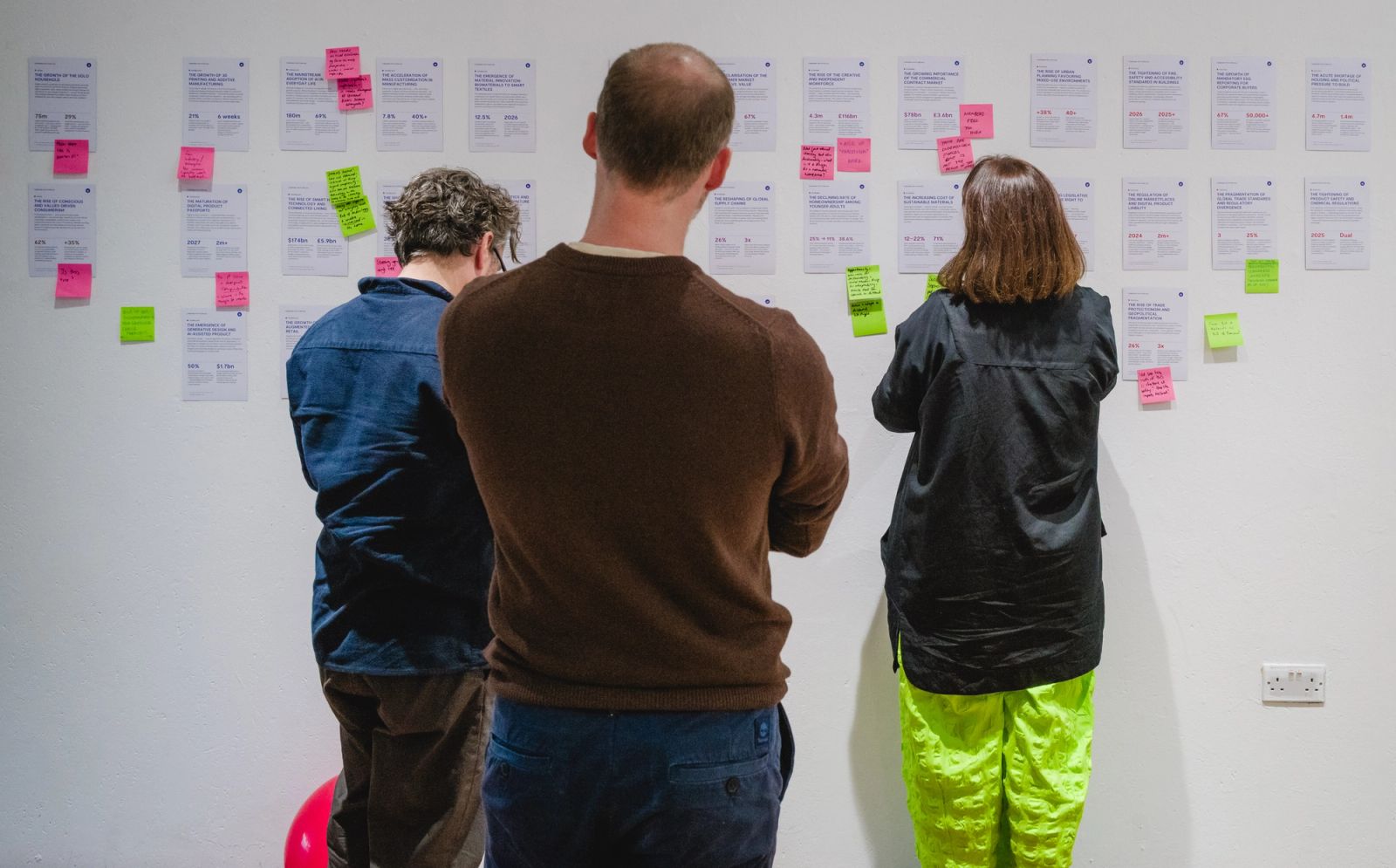
Through Rethinking Furniture, we're exploring these connections and the emerging shifts that could influence how the industry develops over the next decade.
Rather than predicting a single future, we want to explore different possibilities and understand what they could mean in practice.
Bringing different perspectives into the conversation
No single part of the industry has all the answers. Designers, manufacturers, material specialists, suppliers and the people and organisations who specify and use furniture all see different parts of the picture.
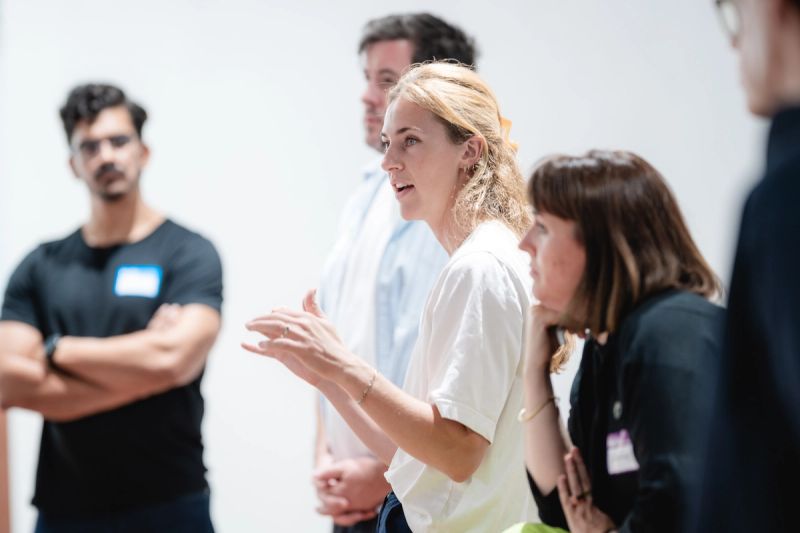
That's why bringing different perspectives together is central to the research.
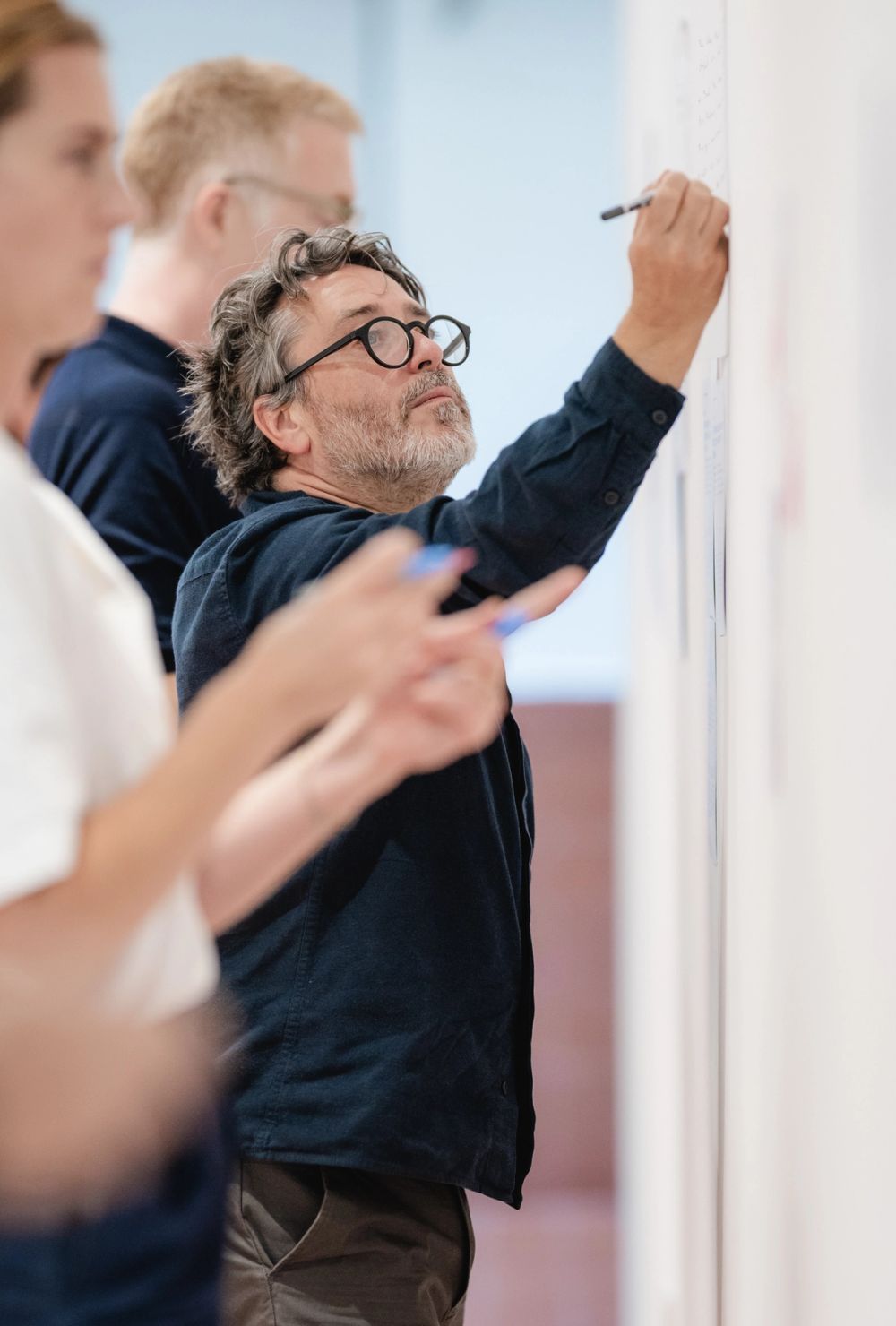
Working with ForEveryday.Life, who are supporting the research and facilitating workshops, we're combining strategic foresight with collaborative discussions to explore emerging developments, challenge assumptions and consider how the industry might respond.
An advisory panel is also helping to inform the research, bringing expertise from across design, materials innovation, circularity, strategy and foresight. The panel includes Jay Osgerby, Kevin Rouff, Joe Ballantyne, Caroline Till and Charlie Warwick, whose different perspectives will help challenge assumptions and explore the changes that could shape the industry's future.
The intention is to make space for questions that don't always arise in day-to-day conversations, drawing on the knowledge and experiences of people from across the industry.
What could this mean for the decisions we make today?
2036 might feel a long way off, but many of the decisions shaping the furniture industry over the next decade are already being made. Choices about materials, manufacturing, product development and business models can have consequences that extend well beyond the immediate future.
By looking further ahead, we hope to better understand where change might be coming from, what opportunities and challenges could emerge, and which assumptions may be worth reconsidering.
The research will continue through workshops, conversations and further investigation, with emerging ideas and findings shared during 2027.
Follow along for updates as the project develops.